


Rental Property Cleaning Guide for a Smooth Handover
A tenancy can end on a stressful note when a property that looked fine in everyday use is examined room by room. This rental property cleaning guide is designed to make the handover clearer for tenants, landlords and letting agents, with practical attention paid to the areas that most often cause disagreement: kitchens, bathrooms, carpets, marks on walls and forgotten storage spaces.
The aim is not to make an older property look brand new. It is to return it in a suitably clean condition, taking fair account of normal wear and tear. A well-planned clean protects a tenant’s deposit, helps a landlord prepare for new occupants and gives everyone a more straightforward handover.
Start with the inventory, not the cleaning cupboard
Before buying products or moving furniture, read the check-in inventory and look through any dated photographs from the start of the tenancy. These provide the most useful reference point for what was present, its condition and any existing marks or damage.
Cleaning and damage are not the same thing. Limescale around a tap, grease in an oven or dust behind a radiator are generally cleaning matters. A broken blind, burn mark, chipped worktop or pet damage may need repair or replacement. Separating the two early prevents wasted effort and makes it easier to have a sensible conversation where work falls outside routine cleaning.
If there is an end-of-tenancy clause in the agreement, follow it carefully. Some agreements ask for professional cleaning, while others require the property to be returned to the same standard of cleanliness recorded at check-in. The practical standard matters more than the label. Keep receipts, photographs and written confirmation of any cleaning arranged.
Work from high-impact rooms first
A whole-property clean feels more manageable when the rooms are tackled in the order they are likely to be checked. Kitchens and bathrooms usually need the most time, particularly if they have been in regular use for many months.
Give the kitchen proper attention
A clean kitchen is about more than wiping visible worktops. Grease settles on cupboard fronts, extractor filters, splashbacks and the tops of units, while crumbs and spills collect inside drawers and beneath appliances. Empty cupboards completely, vacuum loose debris and wipe internal surfaces before replacing anything.
The oven deserves particular care. Remove loose food, clean shelves and trays, and treat baked-on residue with a suitable product. Avoid abrasive pads or harsh chemicals on delicate finishes, as a scratched glass door or damaged hob can create a bigger problem than the original grime. Do not forget the microwave, fridge seals, dishwasher filter and bin area.
For a rented property, the small details make a visible difference: degreased light switches, clean handles, a streak-free sink and an extractor hood free from sticky residue. Allow surfaces to dry fully so that marks are not hidden by moisture when the inspection takes place.
Restore the bathroom rather than masking it
Bathrooms should look hygienic and smell fresh, but heavy fragrance is not a substitute for cleaning. Focus on limescale around taps and shower screens, soap residue in trays, dust on extractor vents, and the less obvious edges around the toilet base and behind bathroom furniture.
Use products suited to the surface. Acidic limescale removers can be effective on the right materials but may damage natural stone, some metals and coloured grout. Ventilate the room, never mix cleaning chemicals, and test an inconspicuous patch if you are unsure.
Mould needs an honest assessment. Light surface mould caused by condensation may respond to careful cleaning and improved ventilation. Persistent mould, peeling sealant, leaks or damaged grout may point to a maintenance issue that should be reported rather than covered over. Tenants should raise concerns promptly; landlords should address the source as well as the visible marks.
Do not leave carpets and upholstery until last
Carpets carry more than ordinary dust. They can hold tracked-in soil, pet hair, food spills, drink stains and odours that become noticeable only after furniture has been moved. A thorough vacuum is the starting point, including edges, stairs, under beds and inside fitted wardrobes.
Spot cleaning can help with a recent spill, but it has limits. Rubbing a stain often pushes it further into the fibres, and using the wrong product can leave a pale patch, sticky residue or water mark. Wool, delicate fibres and heavily soiled carpets need particular care. It is often safer to seek professional advice before trying several off-the-shelf products.
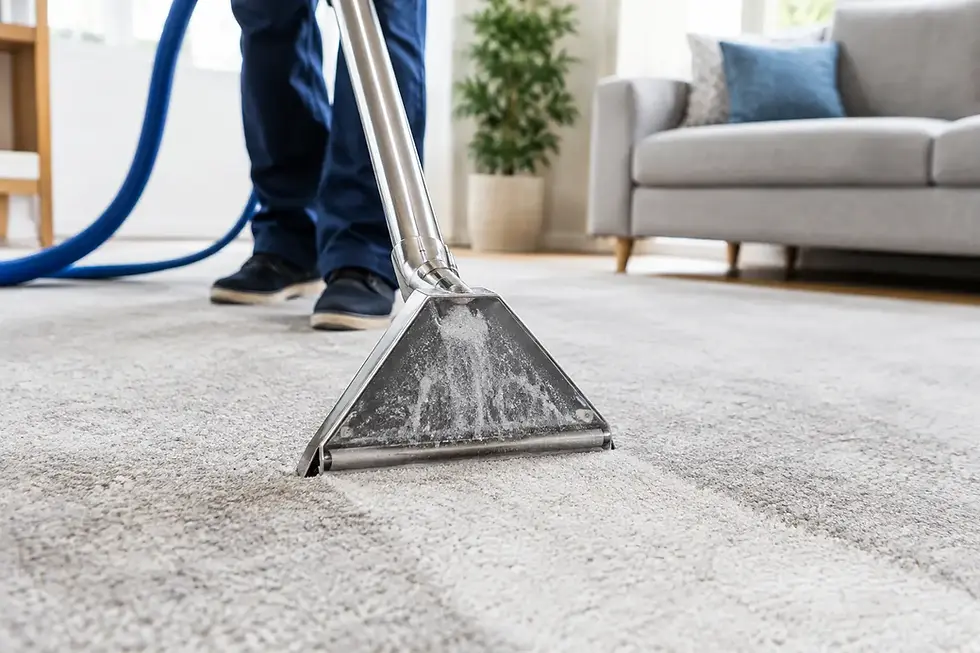
Professional carpet cleaning is particularly valuable when the inventory notes clean carpets, there are pets or children in the home, or the flooring has visible traffic marks and lingering odours. It can lift the overall appearance of a room far more than vacuuming alone. The same applies to fabric sofas, dining chairs and mattresses where these are included with a furnished tenancy.
For homes across Warrington and the wider North West, Connect Carpet Cleaning provides professional carpet and upholstery cleaning with pH-balanced products chosen to be suitable around children, pets and household surfaces. DBS-certified, insured technicians and flexible appointments can make it easier to fit this work around a moving date.
Our 45 Day Stay Clean Guarantee
When you have professional carpet or upholstery cleaning carried out, you want to know that the result will last beyond moving day.
At Connect Carpet Cleaning, our 45 Day Stay Clean Guarantee means we will continue to look after you for 45 days following your clean. If an accident, spill, pet-related incident or similar mishap affects an area we have cleaned, get in touch and we will return to clean the affected area and blend it back into the surrounding carpet or upholstery.
We believe professional cleaning should come with proper aftercare, not simply a clean and goodbye.
Clean in a logical order
Cleaning room by room is helpful, but the order within each room matters too. Start high and finish low. Dust ceilings, light fittings, curtain rails and the tops of cupboards before cleaning walls, furniture and floors. Otherwise, dust simply lands on areas you have already finished.
Move through the property methodically rather than rushing from one visible task to another. In bedrooms, empty drawers, wipe wardrobes inside and out, vacuum beneath furniture and check behind doors. In living areas, clean skirting boards, window sills, radiators and remote controls. Hallways and stairs deserve attention because they show dirt quickly and create the first impression at an inspection.
Windows do not always need to be professionally cleaned, but internal glass, sills and frames should be free from fingerprints, dust and dead insects where possible. If you are responsible for outside areas, clear rubbish, sweep paths, remove personal items and leave bins according to the collection arrangements.
The final handover checklist
On the day before handover, return with fresh eyes. A short final check is often what catches the jobs that matter most:
Empty all cupboards, drawers, loft spaces, sheds and outdoor storage areas.
Remove all rubbish, including food from the fridge and items left behind furniture.
Check appliances, light fittings, vents, radiators, switches and plug sockets for dust or grease.
Look for marks at floor level, around door handles and on the walls behind furniture.
Take clear, dated photographs of every room after cleaning, plus meter readings and returned keys.
Photographs should show the room as a whole as well as close-ups of areas that could otherwise be questioned. Good daylight is best. If there is an issue you could not resolve, such as a stain that remained after reasonable cleaning or damage already reported, record it clearly rather than hoping it will go unnoticed.
For landlords: make the expected standard clear
A smooth checkout starts long before the final week of a tenancy. Provide a detailed, dated inventory at check-in, including photographs of carpets, appliances, walls and furniture. Explain any cleaning expectations clearly and give tenants a realistic opportunity to put things right before arranging replacement work.
Fairness matters. A tenant should not be expected to pay for improvements beyond the property’s original condition, and normal ageing is different from neglect. At the same time, a clean, well-documented property supports faster turnarounds and helps incoming tenants feel confident that the home has been cared for.
For managed portfolios and busy landlords, professional end-of-tenancy, carpet or upholstery cleaning can be a practical way to keep standards consistent between occupants. The right service should offer clear pricing, reliable scheduling and work that is easy to evidence.
A calm handover is usually the result of preparation rather than perfection. Start early, clean to the recorded standard, document the result and ask for help with the jobs that need specialist care. That gives tenants the best chance of a fair deposit outcome and gives landlords a property ready to welcome its next occupants.


Comments