


Shampooing Versus Hot Water Extraction Compared
A carpet can look clean after a quick surface treatment yet still hold the soil that makes it feel flat, smell stale and become dirty again sooner than expected. That is why the choice between shampooing versus hot water extraction matters, particularly in busy homes with children, pets, muddy shoes or everyday spills.
Both methods have their place, but they do different jobs. The right option depends on the carpet’s condition, its fibre type, how quickly you need to use the room again and whether you are dealing with light maintenance cleaning or more established dirt. A professional should assess those details before selecting a method, rather than applying the same approach to every carpet.
What is carpet shampooing?
Carpet shampooing uses a cleaning solution that is worked into the carpet pile, usually with a rotary machine or brush. The agitation helps loosen visible soil, refreshes the fibres and can improve the appearance of a carpet that has become dull through day-to-day use.
Traditional shampooing creates foam that lifts dirt towards the surface. Once the carpet dries, residue and loosened soil may be removed by vacuuming. Modern low-moisture shampoo or encapsulation products work slightly differently: the cleaning solution surrounds soil particles as it dries, allowing them to be vacuumed away later.
The main attraction is speed. Because shampooing can use less water than a full extraction clean, carpets may dry more quickly. This can make it a practical option for a lightly soiled office, a communal area or a home where access needs to be restored promptly.
However, shampooing is not always the best answer for deeply embedded grime. If too much product is used, or if it is not properly removed, residue can remain in the carpet. That residue may attract fresh dirt and leave the carpet looking tired again sooner than it should.
What is hot water extraction?
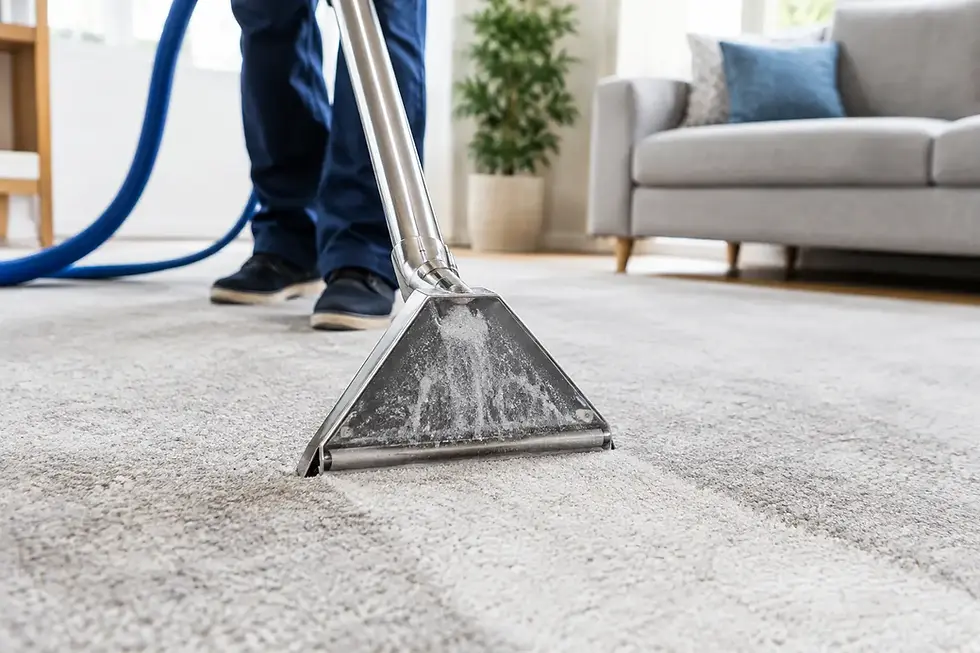
Hot water extraction is often called steam cleaning, although the process does not normally rely on steam alone. A professional machine applies warm water and an appropriate cleaning solution into the carpet, then immediately extracts the water, soil and cleaning residues using powerful suction.
The aim is not simply to brighten the top of the pile. It is to flush out the dirt that has settled below the surface, including tracked-in soil, food residue, pet-related mess and the particles that can contribute to unpleasant odours.
A well-carried-out hot water extraction clean can make a marked difference to carpets in family rooms, hallways, rental properties and workplaces with regular footfall. It also leaves far less cleaning product behind than a poorly managed shampoo treatment, because the solution is extracted as part of the process.
Drying times vary. Good extraction equipment removes a substantial amount of moisture, but a carpet can still need several hours to dry fully. Ventilation, room temperature, carpet thickness and humidity all affect the result. In many homes, opening windows where practical and keeping the heating at a comfortable level helps the carpet dry evenly.
Shampooing versus hot water extraction: the key differences
The clearest difference is how each method removes dirt. Shampooing relies mainly on cleaning product and mechanical agitation. Hot water extraction combines cleaning solution, water and suction to rinse contamination from the carpet.
For light surface soil and routine appearance maintenance, shampooing can be useful. It may offer a quicker turnaround and can revive carpet fibres that have become compressed. It is not automatically a lesser service, but it needs the correct product, dosage and follow-up vacuuming to avoid residue issues.
For a more thorough clean, hot water extraction is usually the stronger choice. It is particularly suited to carpets that have not been cleaned for some time, have visible traffic lanes, carry odours or need attention before a tenancy handover. The extraction stage is valuable because it physically removes the dirty solution instead of leaving it to dry in the pile.
Neither method should be selected by price alone. A low-cost clean that leaves the carpet overwet, sticky or poorly treated can create more inconvenience than value. A reliable cleaner will explain the recommended approach clearly and set realistic expectations about stains, drying time and results.
Stain removal and odours
Hot water extraction generally offers more scope for treating set-in soil, but stain removal is never guaranteed. Some marks, such as bleach damage, dye transfer, old paint or permanent colour loss, are not ordinary stains and cannot be cleaned away. Acting quickly after a spill gives any method a better chance of success.
Odours also require more than a fragranced shampoo. Where the source of an odour has reached the backing or underlay, it may need targeted treatment before extraction. Pet accidents are a good example: treating only the carpet surface can mask the problem temporarily without properly addressing it.
Drying time and convenience
If you need an area back in use quickly, low-moisture shampooing can be appealing. This is often relevant in offices, hallways and commercial premises where closing an area for a full day is not practical.
Hot water extraction usually takes longer to dry, although professional equipment and correct technique should prevent the carpet from being left soaking wet. It is sensible to plan the appointment for a time when the room can be left clear, with furniture kept off the carpet until it is dry. Evening and weekend appointments can make that easier for busy households and local businesses.
Carpet type and condition
Not every carpet should receive the same treatment. Natural fibres, delicate constructions, loose fitting carpets and heavily worn areas all need care. Excess water, harsh chemicals or aggressive brushing can cause shrinkage, colour issues, pile distortion or damage to the backing.
This is where professional judgement matters. A technician should identify the fibre where possible, test products in an inconspicuous area and use an appropriate method. pH-balanced cleaning products are a reassuring choice for homes with children and pets, while still providing the cleaning performance needed for everyday dirt.
When shampooing may be the right choice
Shampooing can make sense when a carpet is lightly soiled, needs a quick refresh or forms part of a regular maintenance plan. It can also be useful in commercial settings where appearance and short drying times are priorities.
It is best viewed as a maintenance method rather than a cure for every problem. If carpets look greasy, have dark walkways, retain odours or have not been professionally cleaned for a long time, a deeper extraction clean is more likely to provide the result you want.
When hot water extraction is likely to be better
Hot water extraction is often the preferred option after winter, before guests arrive, at the end of a tenancy or when a property has experienced heavy use. It is also a sensible choice for upholstered furniture, provided the fabric is suitable and the item is assessed first.
For landlords and tenants, a professionally cleaned carpet can help a property look cared for at handover. It is worth remembering, though, that cleaning cannot reverse normal wear, burns, bleach spots or damage caused by neglect. Clear photographs and an honest assessment are useful where expectations need to be managed.
The result depends on the person using the machine
A hire machine or supermarket shampoo can seem like the cheaper route, but the method is only part of the job. Too much detergent, insufficient extraction or using the wrong product for the fibre can leave a carpet sticky, over-wet or uneven in appearance.
A trained, insured cleaner brings suitable equipment, experience with different fabrics and the ability to spot when a stain or carpet type needs a more cautious approach. For customers inviting someone into their home or premises, DBS certification and comprehensive insurance also provide welcome peace of mind.
A little extra reassurance after your clean
At Connect Carpet Cleaning, we want you to feel confident not only when the carpet has been cleaned, but afterwards too. That’s why our 45 Day Stay Clean Guarantee applies to carpets and upholstery we clean.
Customers will naturally do their best to keep their carpets and upholstery looking clean, but everyday life happens. A drink can be knocked over, food can be dropped, a pet can have an accident or normal wear and tear can leave an area looking less fresh than you’d hoped.
If something happens within 45 days of your clean, just let us know. Where the Guarantee applies, we’ll come back and look after it rather than simply leaving you to deal with the affected area yourself. Our aim is to blend the cleaning back into the surrounding area so the room or upholstery looks clean and fresh again.
It’s simply another way of showing that customer always comes first and that we’re here to help after the clean, not just on the day of the appointmen
At Connect Carpet Cleaning, the focus is on recommending the method that suits the carpet and your circumstances, not forcing every job into one process. Whether you need a quick refresh or a deeper clean, a clear assessment and a quality finish make the difference you can see when you walk back into the room.


Comments